About Quaker Aging Resources
Quaker Aging Resources was created in 2010 as a collaborative project of Philadelphia Yearly Meeting and New York Yearly Meeting of the Religious Society of Friends. Support was given by the Friends Foundation for the Aging and the Thomas Scattergood Foundation. In 2025, Philadelphia Yearly Meeting was granted support by Friends Foundation for the Aging to Reimagine Quaker Aging Resources.
The project was designed to assist Meetings and individuals in responding to the needs of aging Friends including age-related changes, chronic illness or disability. The resources are intended to uphold a culture of care for the body, mind, spirit and community of the individual, which is consistent with our Quaker faith, and address the following needs:
- Aging at Home
- Death and Dying
- Emotional /Behavioral Care
- Financial Matters
- Housing
- Meaningful Retirement
- Memory Loss and Dementia
- Physical Health
- Spirituality and Aging
Each Yearly Meeting also has a library of materials and programs available for Meetings and individuals in their geographic region. The resources are designed to support Friends’ aging with particular attention to spirituality, supporting a discernment process, and offering concrete and specific information.
Philadelphia Yearly Meeting – Aging Support
The PYM provides practical guidance to individuals, families and Meetings in the manner of Friends and in a way that nurtures the whole person on his or her life journey. PYM has care of the Quaker Aging Resources website, supported by the Aging Support Coordinator, a licensed social worker. PYM offers Aging services including:
- Communicating with individual Friends, their families, Clerks, and local Meetings regarding aging concerns.
- Provide referrals to Meetings, friends and families to Friends Counseling Services and contracted case management services.
- Coordinates requests for aging grants from the PYM granting groups.
- Writes on topics of interest in PYM News under the title, To Brighten Your Day.
- Adds to the growing repository of educational resources supporting the interests and needs of aged friends and their families on the Quaker Aged Resources website.
- Intergenerational work with aged Friends and others is supported in collaboration with the Program and Religious Life staff.
Visit pym.org for more information on the Philadelphia Yearly Meeting.
New York Yearly Meeting: Aging Resources Consultation and Help (ARCH)
ARCH offers older adults and persons with disabilities the information they need to enhance quality of life. This is achieved through full use of Monthly Meeting and community resources. Education and insight is nurtured through workshops, printed material, website resources, ARCH Visitors, and advice from trained consultants. One-on-one listening is available for individuals and families as they deal with the last third of their lives.
An ARCH Visitor is a Friend in NYYM who has taken the ARCH Visitor training program because s/he has a call to visit seniors and adults with disabilities within one hour from home. Visitors provide a listening ear and, hopefully, a connection to appropriate resources to improve the life of the person visited. Visitors maintain a close relationship to their Monthly and Regional Meetings and stay in touch with the ARCH Coordinators.
Friends Foundation for the Aging
The mission of Friends Foundation for the Aging is to promote innovative, value-based options for seniors, collaborating with other institutions in identifying, developing and funding promising undertakings. Our work is grounded in the faith, practices and values of the Religious Society of Friends and is informed by Friends experience in providing high quality programs and services that enhance the lives of seniors, that foster independence, and that respect the dignity of all.
The intent of FFA is to work as a partner with prospective grantees, collaborating in developing and shaping programs, and participating in oversight. This approach enhances the fluidity of our grantmaking and eliminates the necessity of calendar-based grant cycles and formal application forms. We expect to focus most of our available resources on relatively large-scale grants and to extend our support over multiple years. Some funds are also available for modest, one-time only grants.
In recognition of its long-standing connection with New York Yearly Meeting of the Religious Society of Friends, FFA is committed to allocating a portion of its resources to the Yearly Meeting in support of senior-focused programs. The nature of such programs will likely change from time to time as determined by Yearly Meeting Friends. An initial venture, formally launched in early 2009, is the ARCH program, based in the Albany area of New York State.
The Thomas Scattergood Behavioral Health Foundation
The Scattergood Foundation is a Quaker-based, philanthropic, grant-making foundation committed to raising its voice to improve the system through which behavioral healthcare is delivered in the Philadelphia region. The Foundation’s vision is to “be Thomas Scattergood” for our time, seeking opportunities for productive dialogue and learning within the behavioral health field; and activating leadership and collaborative endeavors through award of targeted grants to address pressing behavioral health needs in innovative ways.
In recognition of its long-standing connection with New York Yearly Meeting of the Religious Society of Friends, FFA is committed to allocating a portion of its resources to the Yearly Meeting in support of senior-focused programs. The nature of such programs will likely change from time to time as determined by Yearly Meeting Friends. An initial venture, formally launched in early 2009, is the ARCH program, based in the Albany area of New York State.
The Quilt Motif
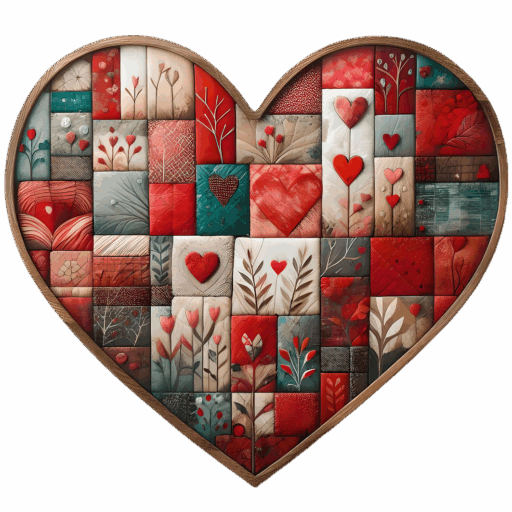
We chose the quilt as a visual symbol for our project because it represents warmth, comfort, interdependence, and vibrancy. Different patches together make an interesting, stronger whole. Specifically, we selected the log cabin pattern. The red square at the center of a log cabin quilt traditionally symbolizes the hearth. Imagine yourself as this center. Immediately surrounding you are pieces of yourself and your community that help to make you whole –your spiritual needs, emotional support, physical well-being, social support, financial stability, housing. In anyone’s life, there are times we need to mend. One color may have to fill in for another. Alone, the fabrics may fray at the edges. Relationships, like the stitches of a quilt, hold us together and lend strength and color to our lives.